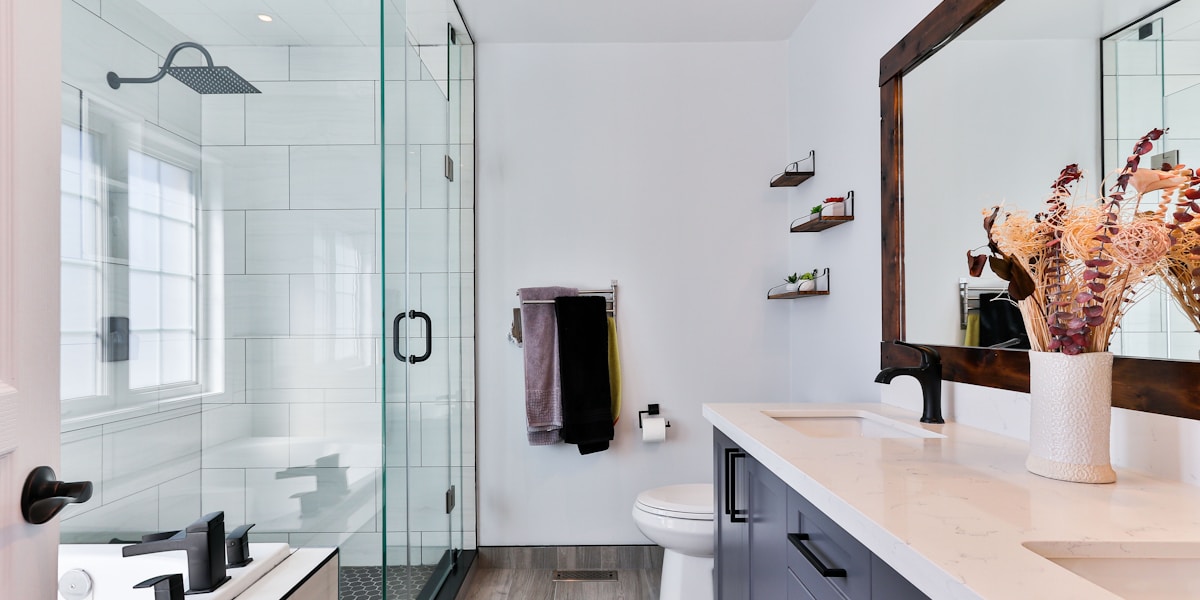
Grout is the unsung hero of any tiled surface - and the first thing to show neglect. In Gold Coast's humid subtropical climate, grout in bathrooms, kitchens, and outdoor areas faces constant moisture, salt air, and the ideal conditions for mould growth. With the right routine, you can keep grout looking as fresh as the day it was laid. Without it, even expensive tiles can look run-down within a year or two.
Understanding Grout: Types, Properties, and What Yours Is
Before you can maintain or clean grout effectively, you need to know what type you have. Different grout types have very different properties and require different care approaches.
Cement-Based Grout (Most Common)
The most widely used grout type in Gold Coast homes. Cement-based grout is mixed with water and applied between tiles, then hardens as it cures. It comes in two main sub-types:
- Unsanded grout: For narrow joints (under 3mm) - common in wall tiles
- Sanded grout: For wider joints (3mm+) - used in most floor and outdoor applications
Key property: Porous - it absorbs moisture, stains, and cleaning products. Must be sealed to resist staining and mould, especially in Gold Coast's humid climate.
Epoxy Grout
Epoxy grout is mixed from two components (resin and hardener) and is essentially non-porous once cured. It's highly resistant to staining, chemicals, and mould - making it popular for commercial kitchens, laboratories, and wet areas where maximum hygiene is needed.
- Pros: No sealing required, extremely stain resistant, resistant to acids and chemicals
- Cons: Harder to work with during installation, more expensive, can be difficult to remove if mistakes are made
- Best for: Showers, pool areas, commercial kitchens - anywhere staining is a major concern
Urethane Grout
A flexible, single-component grout that's pre-mixed and ready to use. More resistant to shrinking and cracking than cement grout, making it good for areas with movement. Easier to apply than epoxy but not quite as chemical-resistant.
🔑 Pro Tip: Check Your Grout Type Before Cleaning
If you're unsure what type of grout you have, apply a small drop of vinegar to a hidden grout joint. If it fizzes or bubbles, it's cement-based - stop immediately and don't use acidic cleaners. If there's no reaction, it's likely epoxy or urethane.
Products and Tools for Grout Cleaning
Essential Tools
- Grout brush: A stiff-bristled brush specifically designed to get into grout joints - far more effective than a regular scrubbing brush
- Old electric toothbrush: Excellent for detailed cleaning of narrow grout lines
- Spray bottle: For applying cleaning solutions evenly
- Microfibre cloths: For wiping down surfaces after cleaning without leaving lint
- Rubber gloves and eye protection: Essential when using chemical cleaners or bleach
Recommended Cleaning Products
- pH-neutral tile cleaner: For regular weekly cleaning - won't erode grout or sealer
- Baking soda: Gentle abrasive for light stains, safe for all grout types
- 3% hydrogen peroxide: Effective mould killer, gentler than bleach, won't discolour most grout colours
- Diluted bleach (1:10): For white or light-coloured cement grout with heavy mould - use sparingly
- Commercial grout cleaner: Products like Aqua Mix or Lithofin are formulated for grout and won't cause damage
Products to Avoid on Cement-Based Grout
- Vinegar: Acidic - dissolves calcium in cement grout and degrades sealer
- Lemon juice: Same issue as vinegar - too acidic
- Acidic bathroom cleaners: Many popular bathroom sprays are acidic - check pH before use
- Steel wool or wire brushes: Scratch tile surfaces and gouge grout
- Neat bleach (undiluted): Damages grout sealer and can cause discolouration in coloured grouts
- Oil-based cleaners: Can leave a residue that promotes further soiling
Daily Prevention: The Foundation of Grout Care
The most effective grout maintenance happens before grout gets dirty. These daily habits take seconds and prevent hours of scrubbing:
- Wipe up spills immediately - especially acidic substances (wine, fruit juice, coffee, citrus)
- Squeegee shower walls after every use to remove soap scum and mineral-laden water
- Run exhaust fans for 20+ minutes after showering to remove moisture
- Use bath mats in wet areas to reduce water splashing onto floor grout
- Don't drag furniture across tiled floors - impacts damage both tiles and grout
- Keep bathroom windows cracked when possible for airflow - critical in Gold Coast's humidity
Weekly Cleaning Method (15-20 minutes)
- Clear the area - remove mats, bins, and any items sitting on tiled surfaces
- Dry sweep or vacuum to remove loose dirt, hair, and debris before wetting
- Mix your solution - warm water with a pH-neutral tile cleaner (follow product ratio)
- Apply to the surface and allow to dwell for 5 minutes - this softens soil
- Scrub grout lines with a grout brush using small circular motions
- Mop or wipe tiles with a clean microfibre mop or cloth
- Rinse thoroughly with clean water - cleaning product residue attracts dirt
- Dry the surface to prevent water spots and reduce moisture lingering in grout
Deep Cleaning for Stained Grout: Step-by-Step
When regular cleaning isn't enough, use these techniques in escalating order of strength. Start with the gentlest method and only progress to stronger solutions if needed.
Method 1: Baking Soda Paste (Gentlest - All Grout Types)
- Mix baking soda with just enough water to form a thick paste
- Apply the paste directly to stained grout lines with your finger or an old toothbrush
- Leave for 15–20 minutes
- Scrub with a grout brush in circular motions
- Rinse with warm water
- Repeat if needed - this is safe to use as many times as necessary
Method 2: Hydrogen Peroxide (Effective for Mould - All Grout Types)
- Apply 3% hydrogen peroxide (from pharmacy) directly to grout lines
- For extra power, mix with baking soda to create a foaming paste
- Leave for 10–15 minutes
- Scrub and rinse thoroughly
- Good ventilation is important - hydrogen peroxide releases oxygen as it works
Method 3: Diluted Bleach (For Heavy Mould - Cement Grout Only)
- Mix 1 part bleach with 10 parts water in a spray bottle
- Spray onto grout lines - ensure good ventilation and wear gloves
- Leave for 10–15 minutes maximum
- Scrub and rinse very thoroughly - bleach residue degrades grout sealer
- Allow grout to fully dry before resealing
- Do not use on epoxy grout, coloured grout, or natural stone tiles
Method 4: Commercial Grout Cleaner
Products like Aqua Mix Heavy Duty Tile and Grout Cleaner, Lithofin KF Grout Cleaner, or similar trade-grade products are formulated specifically to clean grout without damaging it. Follow product instructions precisely - dilution ratios and dwell times vary.
Method 5: Steam Cleaning (Best for Oil and Grease)
A steam cleaner is highly effective for grout cleaning, especially for oil, grease, and heavy soiling. Steam penetrates grout pores to kill mould and bacteria without chemicals. Particularly effective for kitchen tile grout around cooktops. Most Gold Coast tool hire shops stock steam cleaners for around $50–$80/day.
Grout Sealing: The Most Important Maintenance Step
For cement-based grout (the most common type), sealing is the single most important maintenance step. Unsealed cement grout in Gold Coast's humid environment will stain and mould within weeks.
How to Seal Grout: Step-by-Step
- Clean the grout first - sealing dirty grout locks in the stains
- Allow grout to dry completely - 24 hours minimum after cleaning or wet weather
- Choose the right sealer: Penetrating (impregnating) sealer for shower and wet areas - not topical sealer, which peels
- Apply sealer with a small brush or applicator along each grout line
- Allow to soak in for the time specified on the product (usually 5–15 minutes)
- Wipe off excess immediately before it dries on tile surfaces - dried sealer is difficult to remove
- Apply a second coat after 1 hour if grout absorbed the first coat quickly
- Allow to cure - avoid wetting sealed grout for 24–48 hours
Sealing Frequency by Area
- Shower grout: Every 12 months (Gold Coast humidity demands this)
- Bathroom floor: Every 12–18 months
- Kitchen splashback: Every 2 years
- Outdoor grout: Every 12 months
- Low-traffic indoor areas: Every 2–3 years
When to Regrout: Signs It's Time to Call a Professional
Regrouting removes old grout and replaces it - different from simply cleaning or sealing. It's necessary when:
- Grout is crumbling or falling out: Creates water ingress risk
- Deep stains that don't respond to cleaning: The stain is within the grout structure, not just on the surface
- Widespread cracking: May indicate substrate movement requiring professional assessment
- Mould returns within days of cleaning: Mould is growing within or behind grout - indicates a moisture issue
- Grout sealer no longer holds: Water absorbed immediately despite fresh sealing
- You want to change grout colour: Professional grout colouring or full regrout can modernise old tiles
See also: Signs It's Time to Retile Your Bathroom - distinguishing between regrouting and a full retile.
Related Guides
- How to Maintain Your Shower to Avoid Water Damage - grout is your shower's primary defence against leaks
- How to Maintain Your Outdoor Tiles - outdoor grout care in Gold Coast conditions
- Signs It's Time to Retile Your Bathroom - when cleaning isn't enough
Frequently Asked Questions
How often should I seal grout in a Gold Coast bathroom?
In Gold Coast's humid subtropical climate, we recommend sealing bathroom shower grout every 12 months. For bathroom floors and other wet areas, once per year is ideal. Low-traffic areas like feature walls can go 2–3 years between sealings. The easiest way to test whether resealing is needed: drop a small amount of water on the grout. If it absorbs within a minute, it's time to reseal.
What kills black mould in grout lines?
For surface mould in grout, a diluted bleach solution (1 part bleach to 10 parts water) applied with a grout brush and left for 10-15 minutes is highly effective. For mould that keeps returning, hydrogen peroxide (3%) is a gentler alternative that also works well. If mould keeps coming back within weeks despite cleaning, it's likely growing within the grout or behind tiles - this indicates a moisture problem that needs professional assessment.
Can I clean grout myself or do I need a professional?
Regular grout cleaning is absolutely a DIY task. Weekly cleaning with a pH-neutral cleaner and monthly scrubbing with appropriate products keeps most grout in good condition. Deep cleaning for stubborn stains can also be done at home using baking soda paste, hydrogen peroxide, or commercial grout cleaners. However, grout sealing on large areas, regrouting (removing and replacing grout), and any work in wet areas where waterproofing is involved should be handled by a professional tiler.
What products should I avoid on grout?
Avoid acidic cleaners (vinegar, lemon juice, acidic bathroom sprays) on cement-based grout - acid dissolves the calcium in grout and will erode it over time. Also avoid abrasive scrubbers like steel wool or metal brushes that scratch tile surfaces and gouge grout. Bleach used undiluted or too frequently degrades grout sealers and can cause colour change in coloured grouts. Always use pH-neutral cleaners for regular maintenance, and save stronger products for occasional deep cleans.
How do I know if I need to regrout rather than just clean?
You need professional regrouting (not just cleaning) when: grout is crumbling, missing, or falling out; deep staining doesn't respond to even commercial grout cleaners; cracks are appearing throughout the grout; mould grows back within days of cleaning despite no ventilation issues; or when resealing doesn't hold - water absorbs into the grout immediately. Regrouting before problems get worse is always cheaper than repairing water damage caused by failed grout.